
Entretien et réparations de la maison
Contractor-backed guides to diagnose and fix common home issues safely, with clear steps and when to call a pro.
-
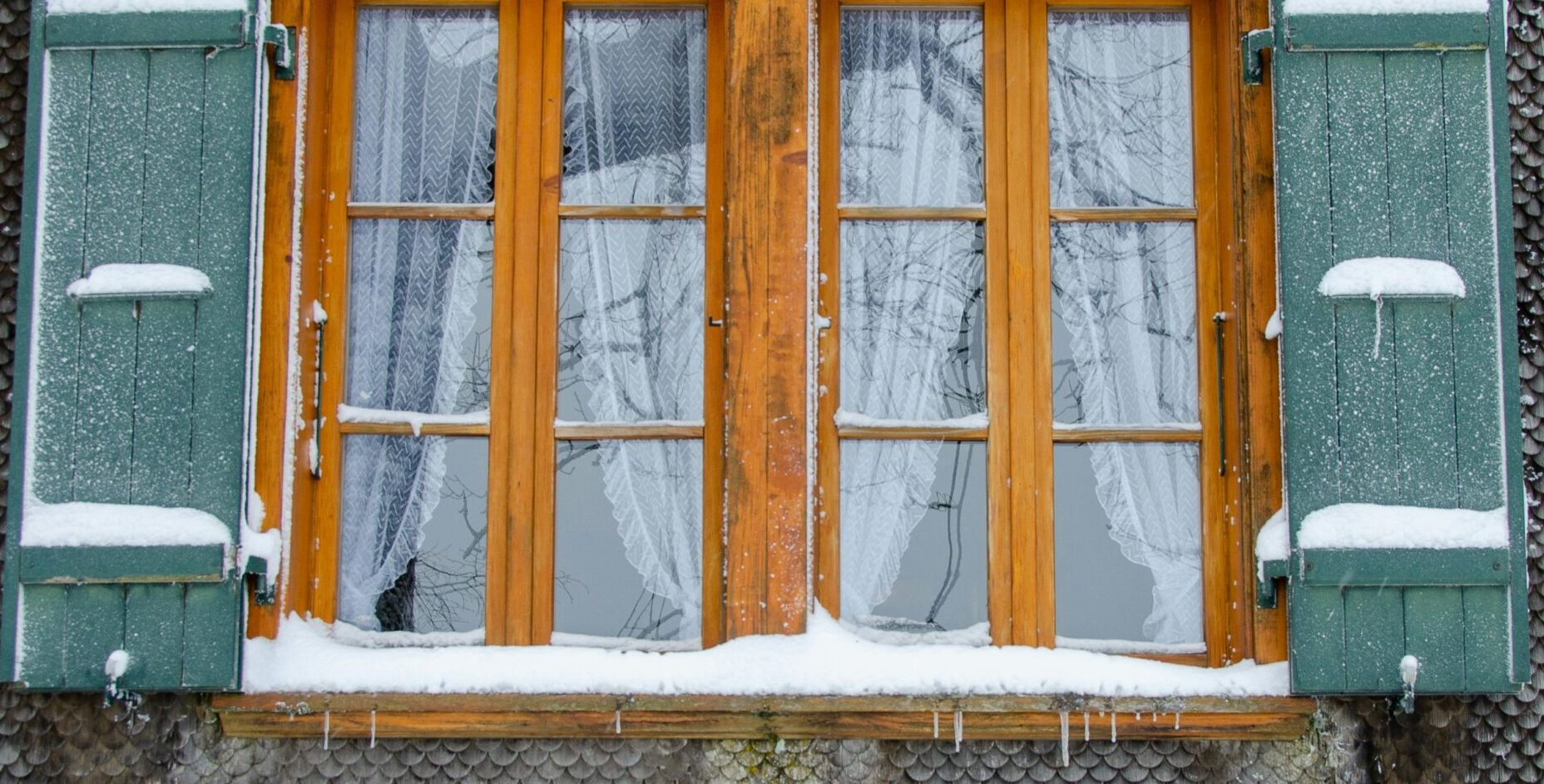
Pourquoi La Glace Se Forme-t-elle Sur Les Rebords De Fenêtre En Hiver (Et Comment l'Empêcher)
In cold Canadian winters, it’s common for homeowners to notice ice forming on their window sills. At first it might look harmless, but repeated ice buildup can lead to water damage, mold, and even ruined window frames. Understanding why ice forms on windows in winter can help you fix the problem before it causes damage.…
-
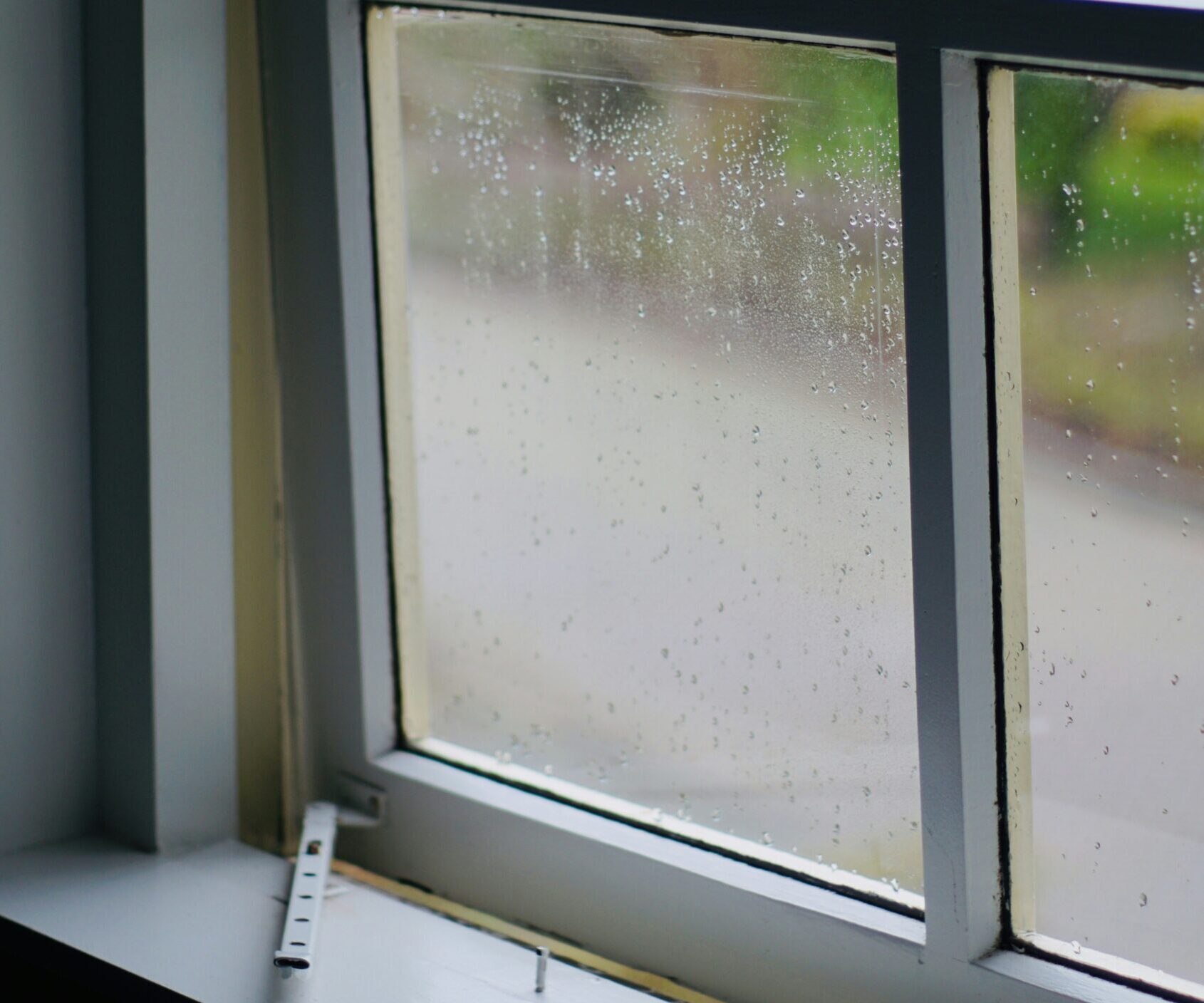
Pourquoi Les Fenêtres Des Chambres À Coucher Condensent-elles Plus Que Les Autres En Hiver?
Why Bedroom Windows Condense More Than Others in Winter Many homeowners notice that condensation or frost appears on bedroom windows before it shows up anywhere else in the house. This can be confusing, especially when other windows remain clear. In most cases, the difference comes down to moisture levels, air circulation, and temperature changes overnight,…
-
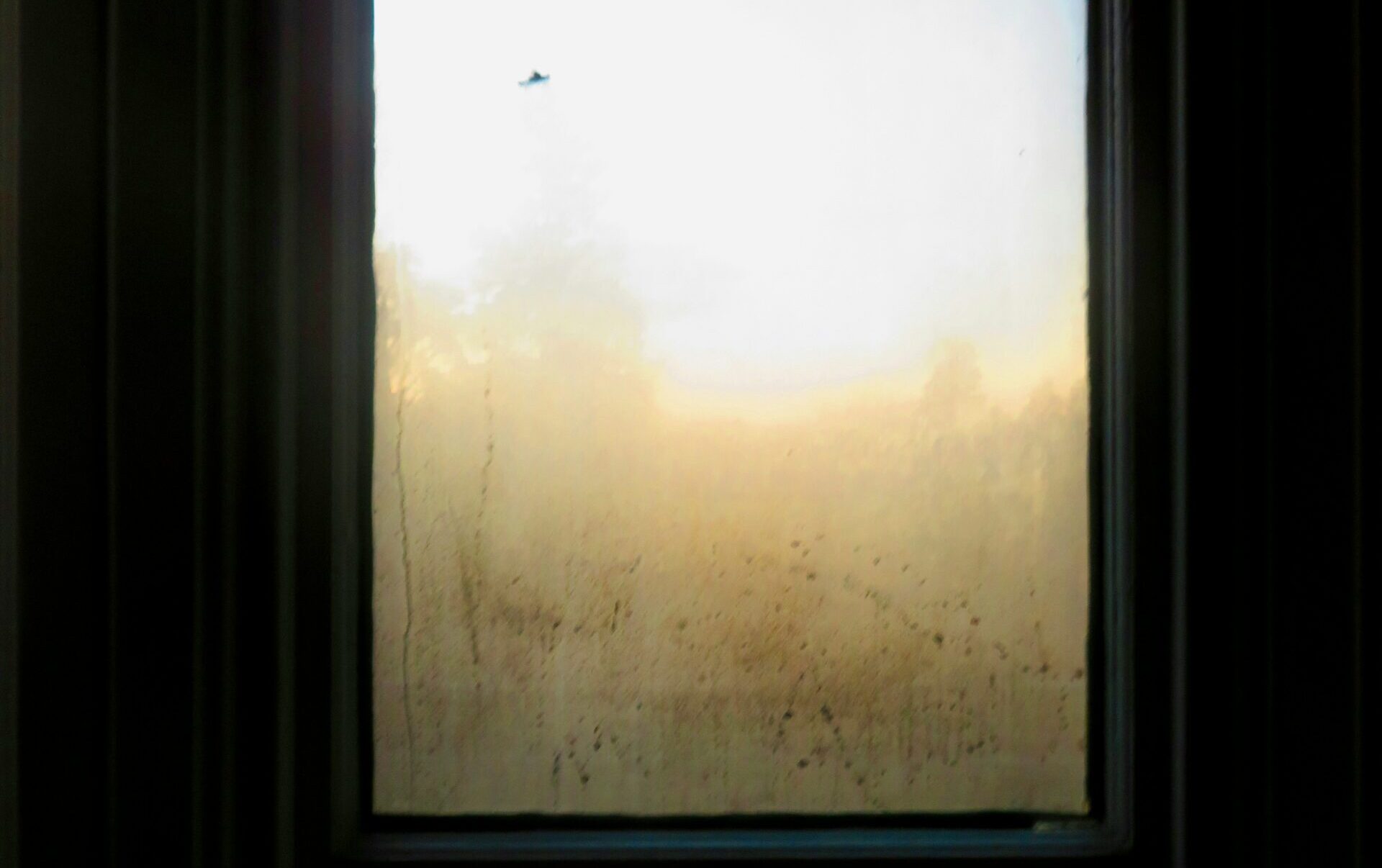
La Condensation Sur Les Fenêtres Est-elle Le Signe De Fenêtres De Mauvaise Qualité ?
When condensation forms on windows during winter, many homeowners assume their windows have failed or need to be replaced. In most cases, this isn’t true. Window condensation is usually caused by indoor humidity and temperature differences, not defective windows. Understanding the difference can prevent unnecessary replacements and help address the real problem. Why Condensation Forms…
-
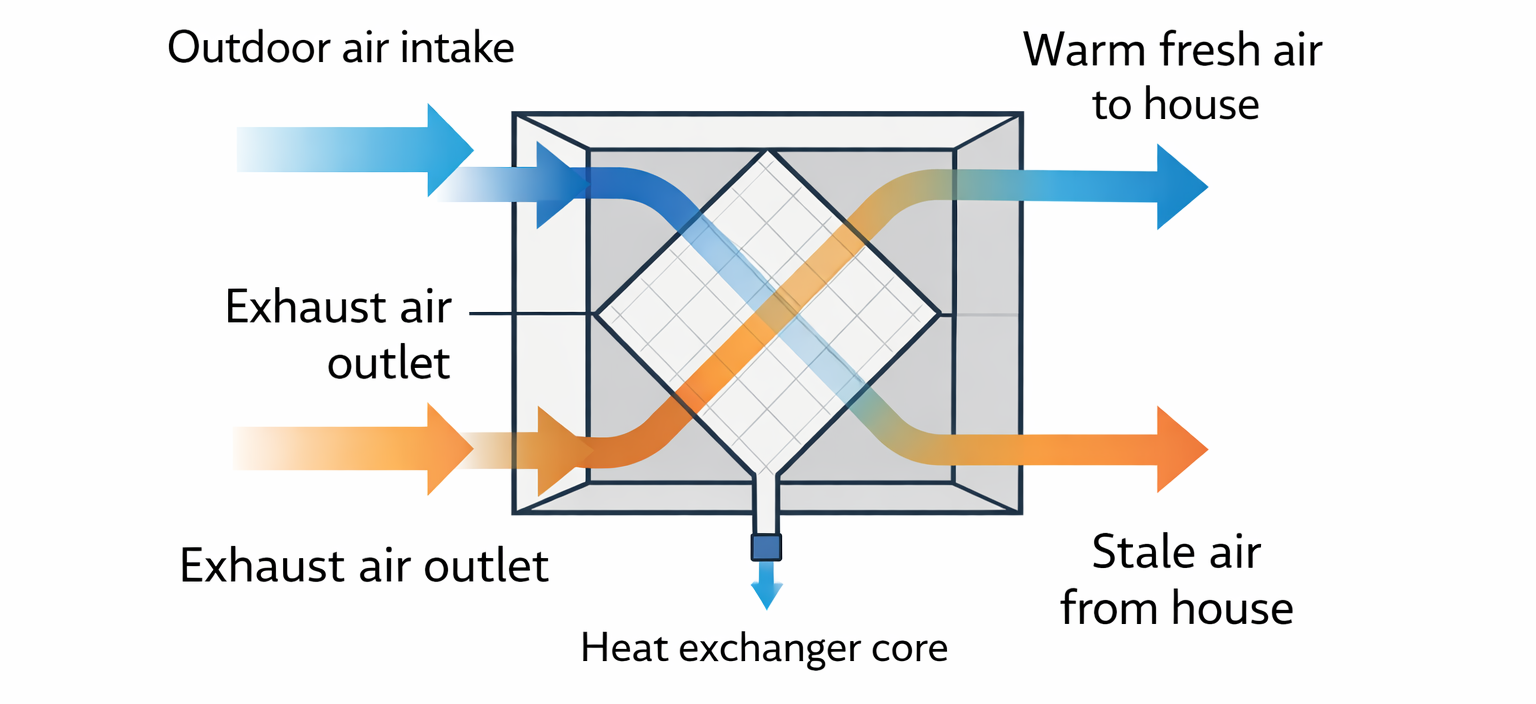
Ventilateurs De Salle De Bain Dans Les Climats Froids : Pourquoi Les VRC Ne Suffisent Pas
In many Canadian homes, especially newer airtight houses, homeowners assume their heat recovery ventilator (HRV) removes all indoor moisture. Because of this, bathroom fans are often used less than they should be — or not at all. In cold climates, this can lead to condensation on windows, attic frost, mold growth, and long-term moisture problems.…
-
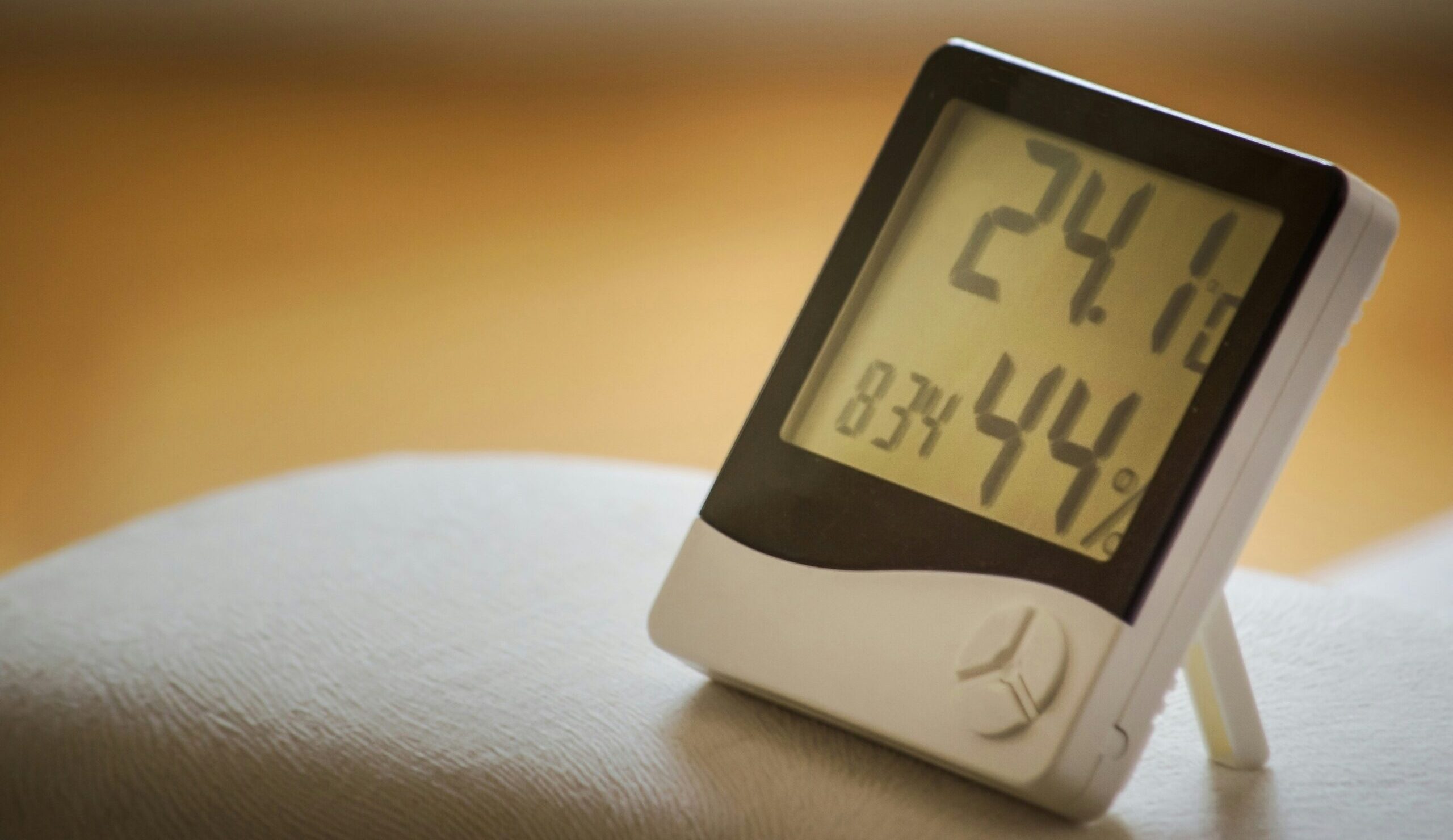
Quelle Devrait Être L'Humidité Intérieure En Hiver Au Canada?
Indoor humidity plays a major role in comfort during Canadian winters, but it also affects how homes perform in cold weather. When humidity levels are too high, condensation and frost can form on windows and cold surfaces. When humidity is too low, indoor air can feel dry and uncomfortable. Understanding the right humidity range for…
-
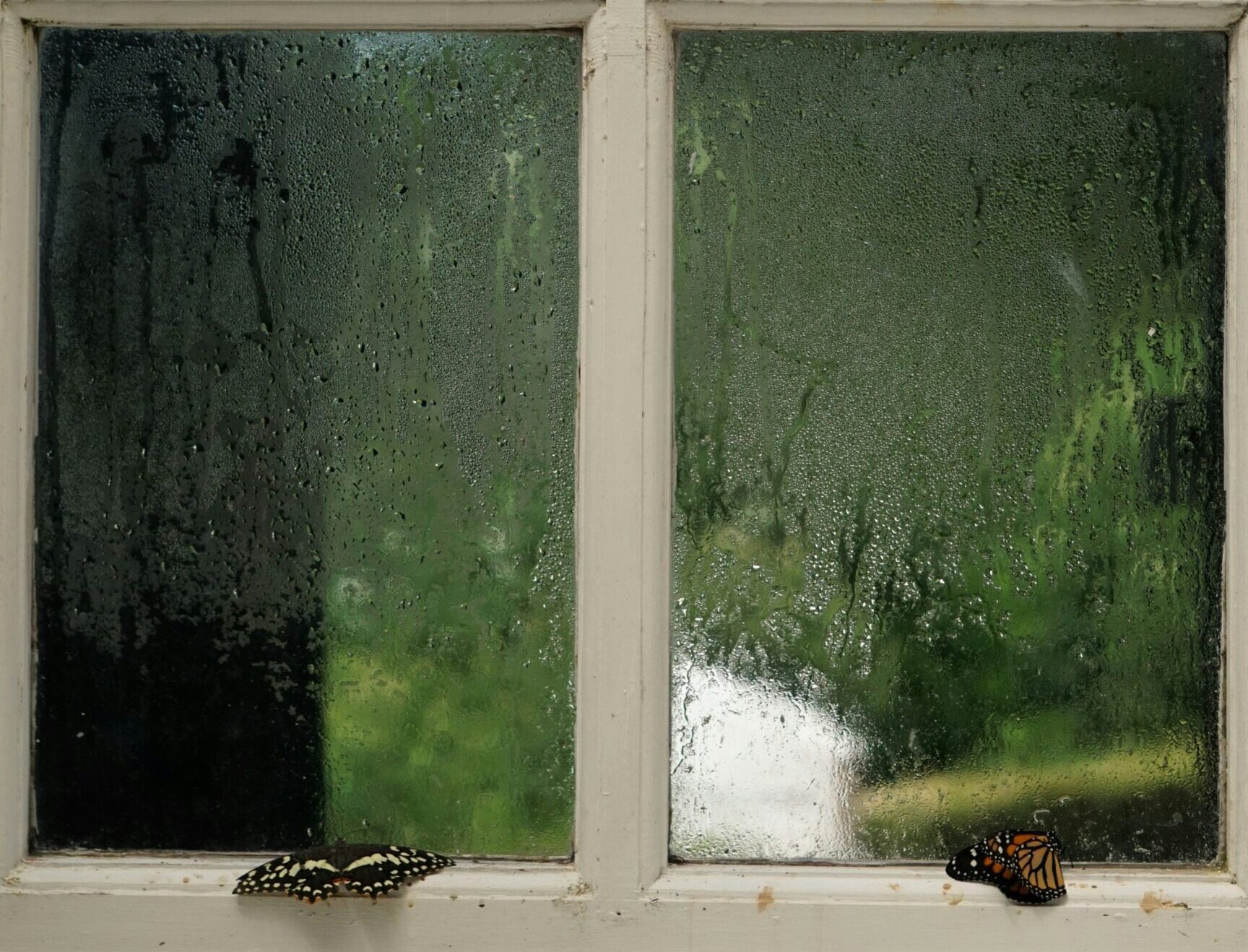
Pourquoi Les Fenêtres S'Embuent-elles En Hiver?
Window condensation is one of the most common concerns homeowners notice during cold Canadian winters. Moisture forming on the inside of windows can look alarming, especially when temperatures drop quickly, but in many cases it is a normal result of how warm indoor air interacts with cold outdoor conditions. Understanding why condensation forms helps determine…
-
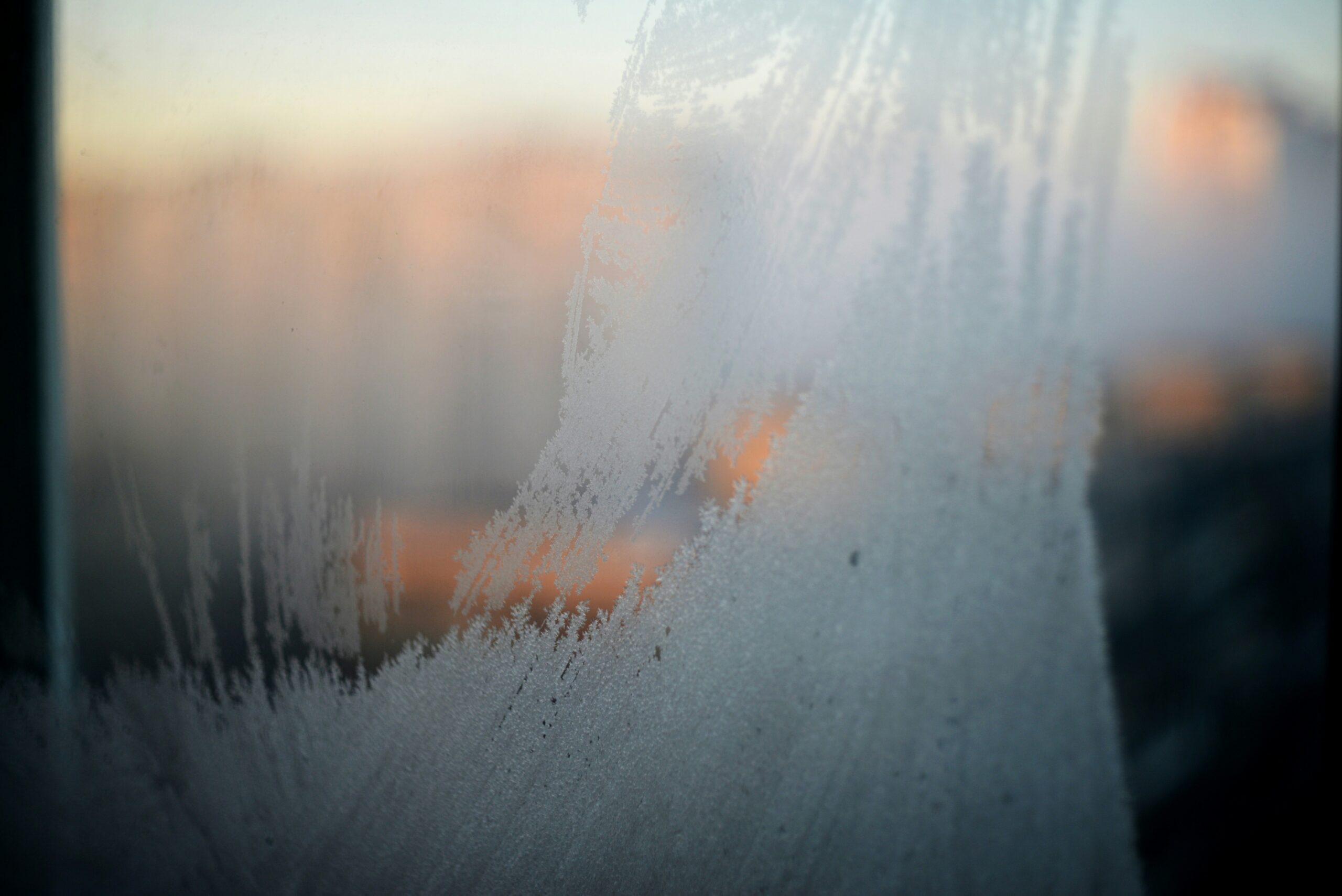
Why Windows Frost Up in Winter (And When It’s a Problem)
Seeing frost or condensation on the inside of your windows during winter is common in Canadian homes. In many cases it’s harmless — but sometimes it’s a sign of excess moisture, poor ventilation, or insulation problems. This article explains why windows frost up in winter, what’s normal, what’s not, and when you should take action.…
-
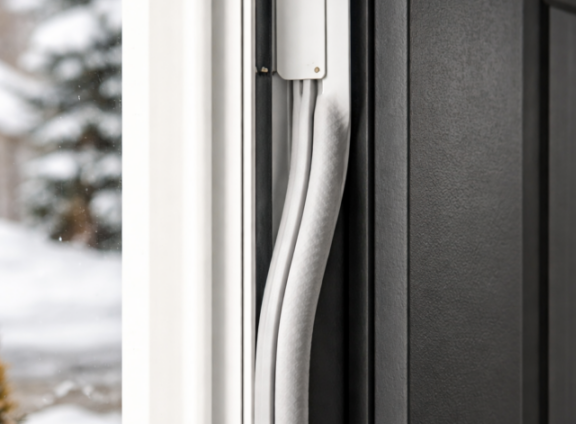
Les Meilleurs Coupe-froid Pour Les Hivers Canadiens (Ce Qui Fonctionne À Des Températures Inférieures À −20 °C)
Choosing the right weatherstripping is crucial in Canada, as it matters far more than in milder climates. Many products that work fine in fall will harden, crack, or lose their seal once temperatures drop well below freezing. If you want a door seal that survives real Canadian winters, this guide breaks down which types of…
-
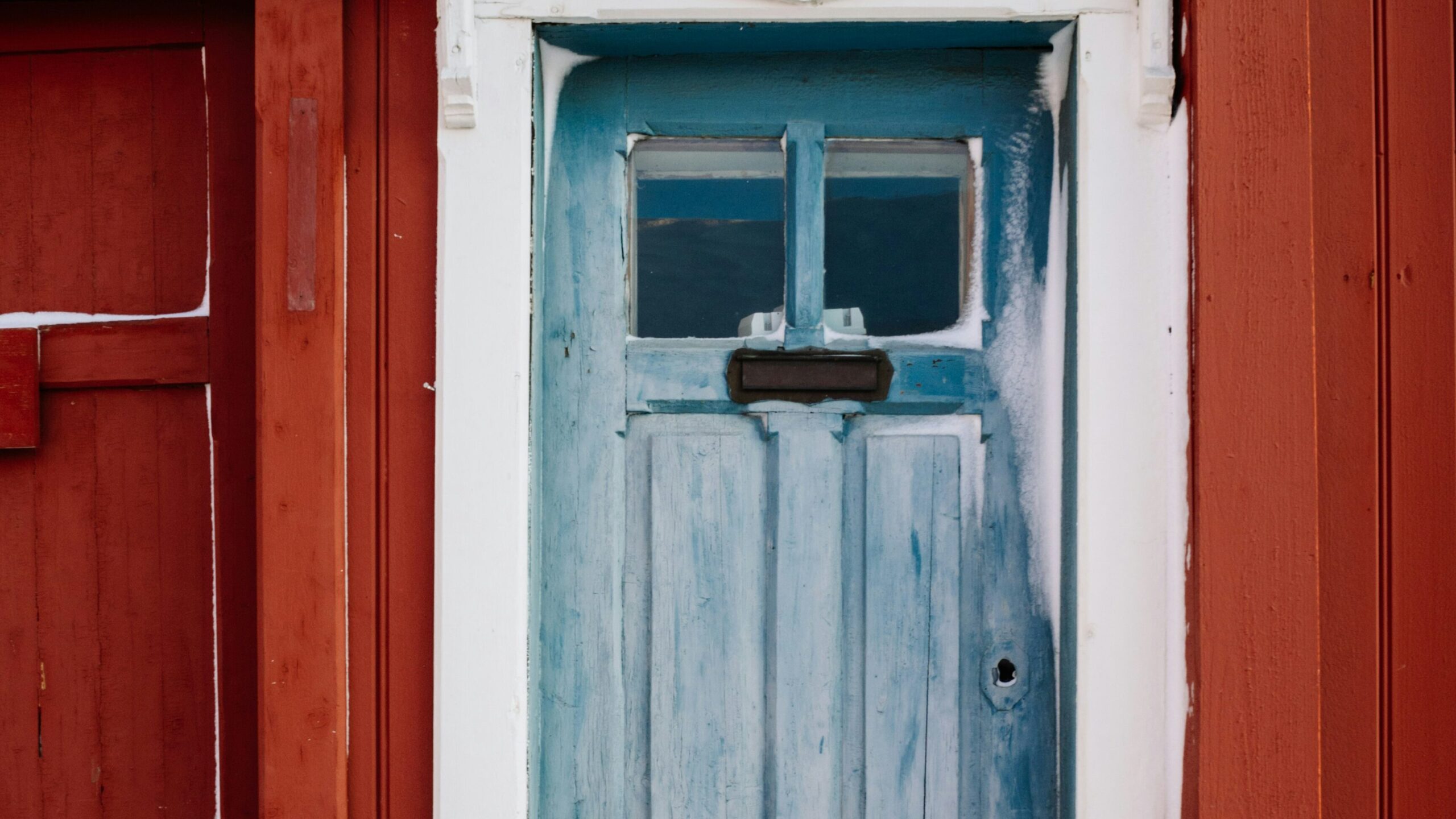
Comment Réparer Une Porte Qui Laisse Passer Les Courants D'Air En Hiver (Guide Pratique Efficace)
Drafty doors are common, but a drafty door in winter can cause major heat loss and discomfort in your home. Why Doors Get Drafty in Winter Cold air doesn’t usually come through the door itself — it comes around it. In winter, materials contract, houses shift slightly, and weatherstripping that worked in summer suddenly stops…
-
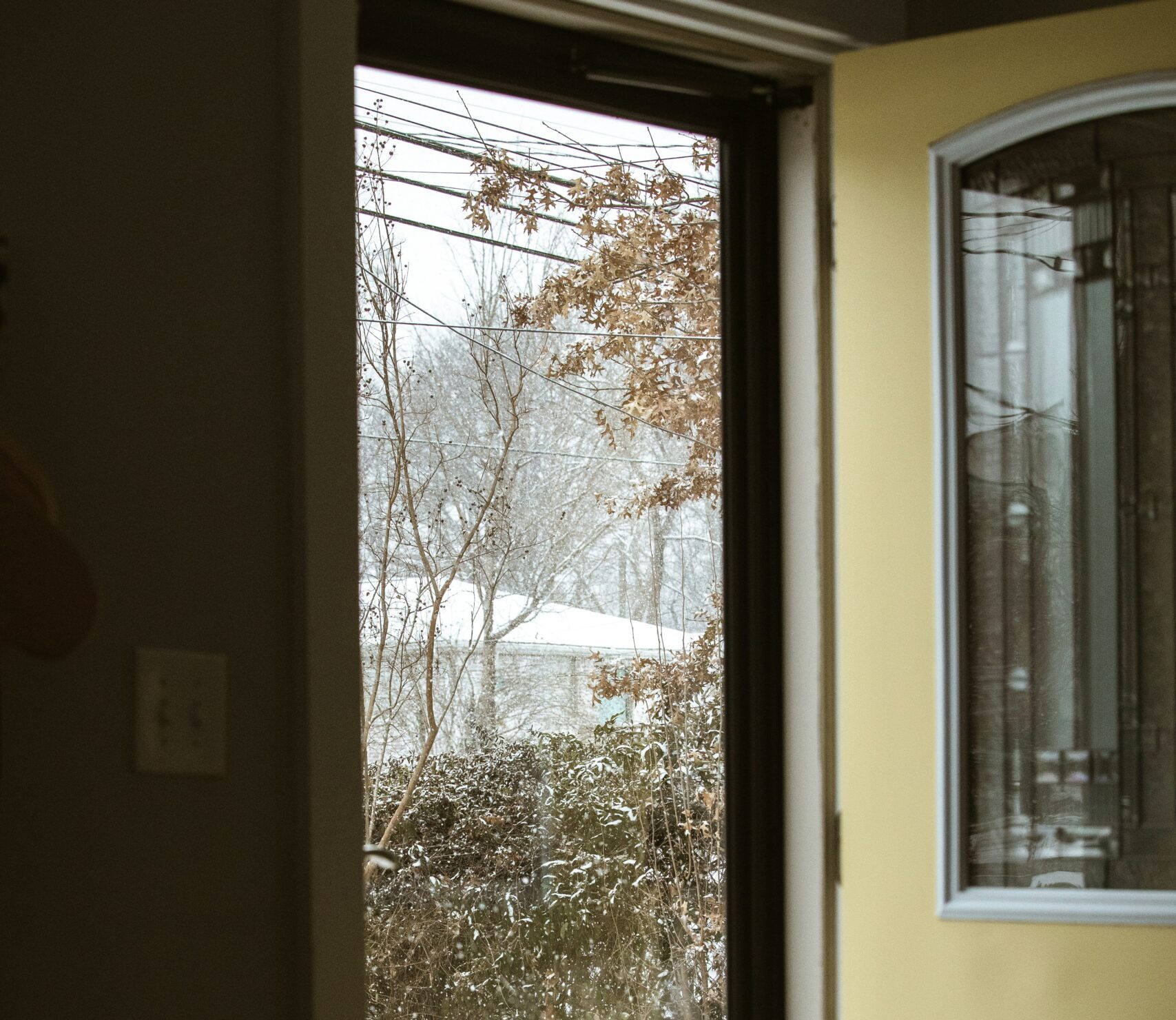
Pourquoi Les Portes Gonflent En Hiver (Et Comment y Remédier Correctement)
Doors swell in winter because changes in moisture, temperature, and minor house movement cause wood to expand or shift. This is a common seasonal issue and is usually fixable with simple adjustments. Why Doors Swell in Winter Even though winter air is dry outside, indoor conditions often change dramatically once heating systems kick in. Several…