
Pourquoi Les Fenêtres Des Chambres À Coucher Condensent-elles Plus Que Les Autres En Hiver?
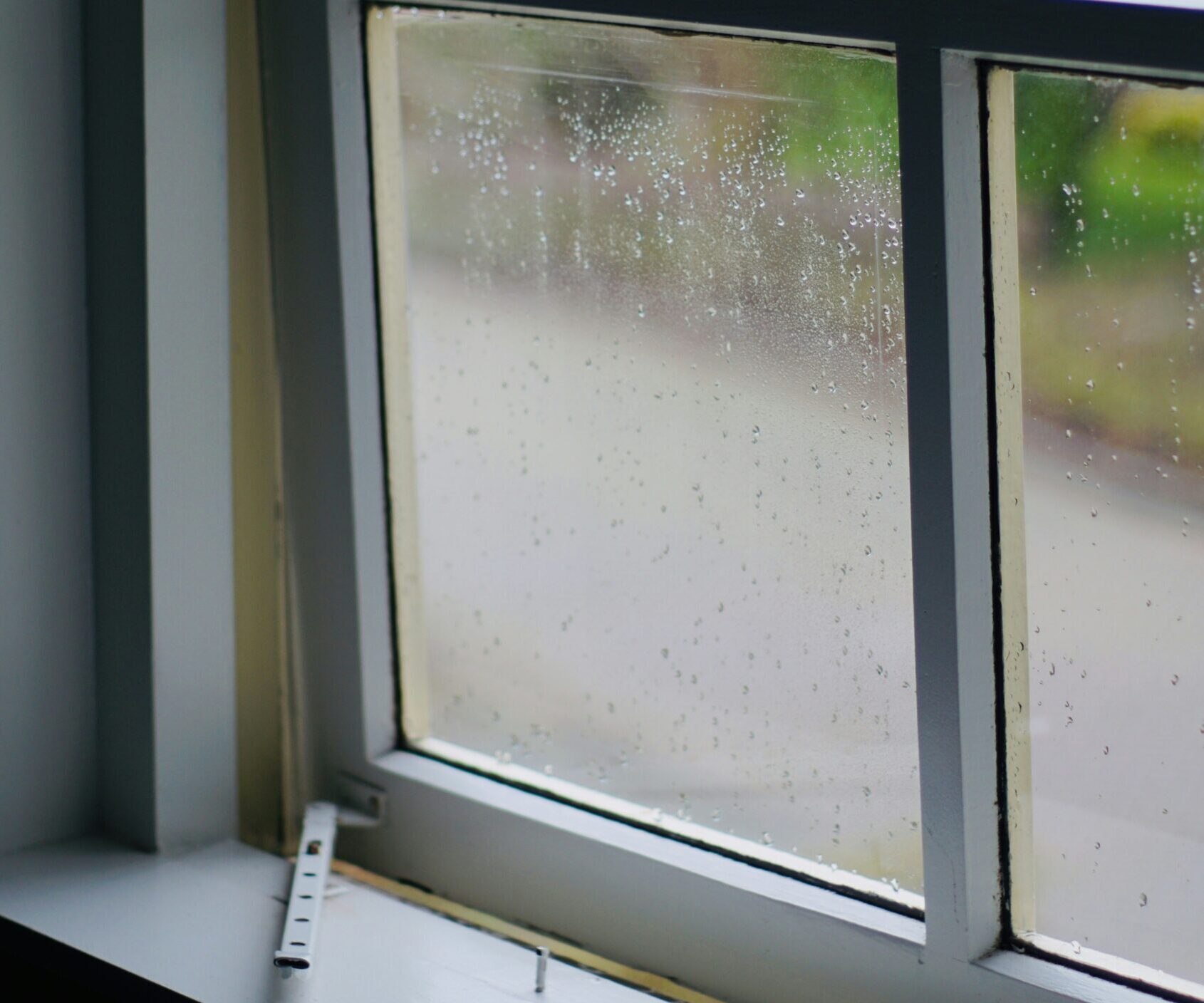
Many homeowners notice that condensation or frost appears on bedroom windows before it shows up anywhere else in the house. This can be confusing, especially when other windows remain clear.
In most cases, the difference comes down to moisture levels, air circulation, and temperature changes overnight, not a problem with the window itself.
Understanding why bedrooms are different helps prevent condensation and reduce winter moisture problems.
Moisture Increases Overnight
While sleeping, people naturally release moisture into the air through breathing and body heat. In a closed bedroom, this moisture builds up gradually throughout the night.
Because winter air outside is extremely cold, window glass becomes one of the coldest surfaces in the room. When warm, humid air contacts the glass, condensation forms.
This is why bedroom windows often look wet or frosted in the morning but improve later in the day.
Closed Doors Reduce Air Circulation
Bedrooms are commonly closed overnight for privacy or comfort. When doors are closed:
- Warm air movement slows down
- Fresh air exchange is reduced
- Moisture remains trapped in the room
- Air near windows cools more quickly
Without airflow, humidity concentrates near the window surface, increasing condensation.
Cooler Bedroom Temperatures
Many homes keep bedrooms slightly cooler than main living areas. While this can improve sleeping comfort, cooler air holds less moisture.
As the air temperature drops, humidity reaches its condensation point more quickly, causing moisture to form on cold glass surfaces.
Furniture and Curtains Can Make It Worse
Heavy curtains, blinds, or furniture placed close to windows can block warm air from reaching the glass.
When airflow is restricted:
- Glass surfaces stay colder
- Moisture remains trapped
- Condensation forms more easily
Keeping a small gap for airflow can reduce this effect.
Is This a Sign of Bad Windows?
Usually not.
Bedroom condensation is most often caused by normal overnight moisture buildup combined with reduced airflow. Even new or high-performance windows can experience condensation under these conditions.
If condensation occurs only in bedrooms, the issue is almost always moisture and ventilation rather than window failure.
How to Reduce Bedroom Window Condensation
Small changes often make a noticeable difference:
- Leave bedroom doors slightly open overnight
- Run the HRV continuously during winter
- Use bathroom fans after evening showers
- Keep blinds slightly open during cold weather
- Maintain appropriate indoor humidity levels
Reducing moisture buildup overnight is the key.
When to Be Concerned
Condensation may require attention if:
- Water pools on window sills regularly
- Mold or staining appears around frames
- Ice buildup becomes heavy or persistent
- Condensation occurs throughout the entire home
These signs usually indicate overall humidity levels are too high for outdoor temperatures.
The Bottom Line
Bedroom windows often condense more because moisture increases overnight while airflow decreases. In cold climates, this combination makes windows the first place condensation appears.
Managing humidity and maintaining air circulation usually resolves the issue without replacing windows.
Other Related Articles
If you’re dealing with condensation or winter moisture problems, these articles may also help: