
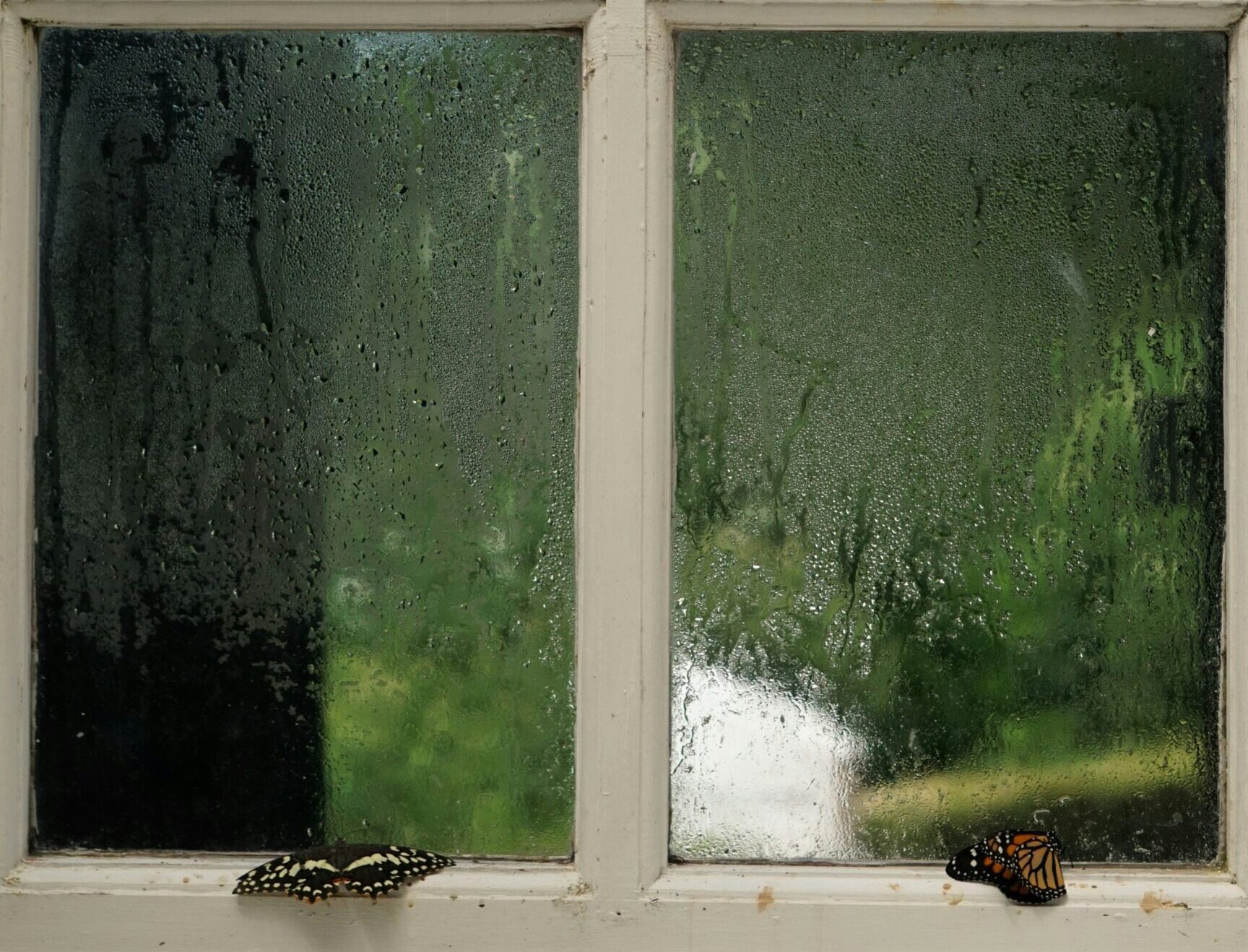
Window condensation is one of the most common concerns homeowners notice during cold Canadian winters. Moisture forming on the inside of windows can look alarming, especially when temperatures drop quickly, but in many cases it is a normal result of how warm indoor air interacts with cold outdoor conditions.
Understanding why condensation forms helps determine whether it is simply a seasonal issue or a sign that humidity, ventilation, or insulation needs attention.
Why This Happens
Condensation forms when warm, moisture-filled indoor air comes into contact with cold window glass, a process explained in more detail by Ressources Naturelles Canada. During winter, window glass is often the coldest surface in a home because it separates heated indoor air from freezing outdoor temperatures.
When the surface temperature of the glass drops below the dew point of the indoor air, moisture changes from vapor into liquid water. If the temperature is low enough, that moisture can freeze and form frost.
Several factors increase the likelihood of condensation:
- Cold outdoor temperatures
- Humidité élevée à l'intérieur
- Limited air circulation near windows
- Fenêtres anciennes ou moins efficaces
- Closed blinds or heavy curtains trapping warm air
The colder it is outside, the more likely condensation will appear even in well-maintained homes.
When It’s Normal vs a Problem
Some condensation during very cold weather is normal, especially overnight when indoor air cools and airflow decreases. Light moisture that disappears during the day as the home warms up is generally not a concern.
Condensation may indicate a problem when:
- Moisture remains throughout the day
- Ice builds up regularly on the glass
- Water collects on the window sill
- Paint or trim begins to show damage
- Mold or staining appears around the frame
Persistent moisture can lead to long-term damage if not addressed, particularly around wood frames and drywall.
What Homeowners Can Check First
Before assuming windows need replacement, several simple checks can help reduce condensation.
Homeowners can start by:
- Monitoring indoor humidity levels during winter
- Running bathroom and kitchen exhaust fans regularly
- Opening blinds or curtains to improve airflow
- Moving furniture away from windows to allow warm air circulation
- Reducing humidifier settings during very cold weather
In many homes, small adjustments to airflow and humidity significantly reduce condensation without major changes.
What’s Happening Behind the Scenes
From a construction perspective, condensation is primarily a balance between temperature and moisture levels inside the home. Modern homes are often built tighter to improve energy efficiency, which reduces natural air leakage but also traps moisture indoors.
Daily activities such as cooking, showering, drying clothes, and even breathing add moisture to indoor air. When ventilation is insufficient, humidity levels rise and the coldest surfaces — usually windows — become the first place moisture appears.
Window performance also plays a role. Double- and triple-pane windows reduce heat loss, but during extreme cold, even efficient windows can drop below the dew point if indoor humidity remains high.
This is why condensation is often more noticeable during sudden cold snaps rather than steady winter temperatures.
When Professional Help May Be Needed
If condensation continues despite lowering humidity and improving airflow, further inspection may be necessary. Persistent moisture can sometimes indicate:
- Air leaks around the window frame
- Insulation gaps near the opening
- Ventilation systems not operating correctly
- Excess indoor humidity sources
In these cases, identifying the underlying cause is more effective than replacing windows unnecessarily.
Final Thoughts
Window condensation in winter is usually the result of normal temperature and humidity differences between indoors and outdoors. While occasional moisture is expected during cold weather, consistent condensation should be addressed to prevent long-term damage and improve comfort.
By understanding why condensation forms and making small adjustments to humidity and airflow, most homeowners can reduce the issue without major repairs.
Other DIY Upgrades and Related Articles
If you’re seeing ice forming instead of moisture, it may be helpful to understand the difference between condensation and frost. You can read more about this in our guide on why windows frost up in winter.
Cold air leaks around doors and windows can also make interior glass colder, increasing condensation. If your home feels drafty in winter, it may help to review how sealing materials perform in cold climates in our guide on best weatherstripping for Canadian winters.