
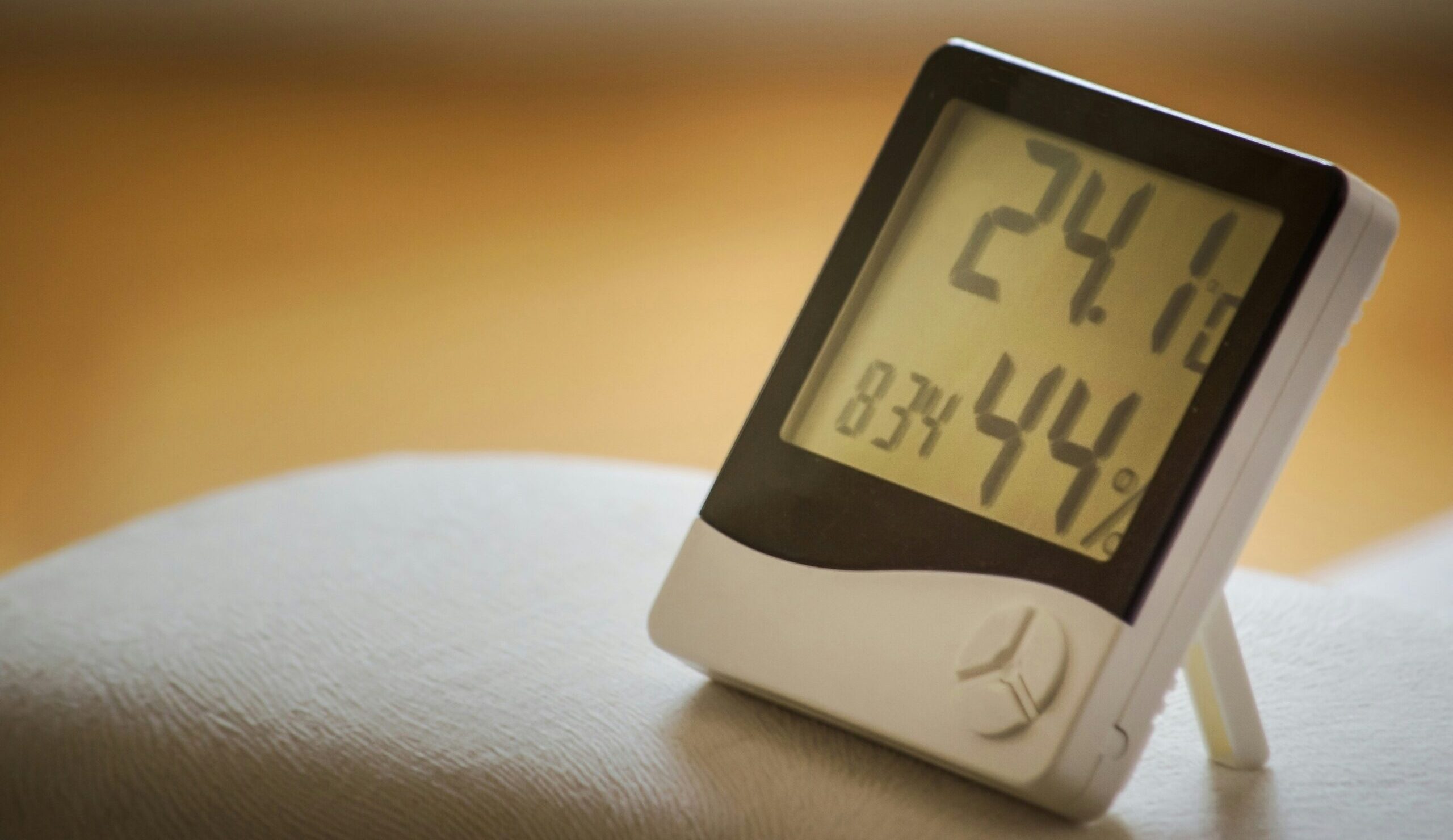
Indoor humidity plays a major role in comfort during Canadian winters, but it also affects how homes perform in cold weather. When humidity levels are too high, condensation and frost can form on windows and cold surfaces. When humidity is too low, indoor air can feel dry and uncomfortable.
Understanding the right humidity range for winter helps homeowners reduce moisture problems while maintaining a comfortable indoor environment.
Why Indoor Humidity Matters in Winter
During winter, warm indoor air holds moisture while outdoor air becomes very cold and dry. As indoor air comes into contact with colder surfaces such as windows, moisture can condense into water or frost.
Higher indoor humidity increases the likelihood of condensation because the air reaches its dew point more easily when it touches cold surfaces. This is why window condensation often becomes more noticeable during cold snaps. High indoor humidity increases the likelihood of condensation forming on cold surfaces, a process explained in more detail by Natural Resources Canada.
Humidity also affects comfort. Air that is too dry can cause irritation in the throat and skin, while air that is too humid can lead to moisture buildup and long-term damage around windows and walls.
Recommended Indoor Humidity Levels for Cold Weather
The ideal indoor humidity level changes depending on outdoor temperature. As temperatures drop, indoor humidity generally needs to be reduced to prevent condensation.
Typical winter guidelines for Canadian homes are:
- Around 30–35% relative humidity when outdoor temperatures are near −10°C
- Around 25–30% relative humidity when temperatures drop below −20°C
- Lower levels may be needed during extreme cold periods
These ranges help balance comfort while reducing the risk of moisture forming on windows and other cold surfaces.
Signs Humidity Is Too High or Too Low
Humidity problems are often noticeable before measurements are taken.
Signs humidity may be too high include:
- Condensation or frost forming on windows
- Moisture collecting on window sills
- Musty smells or damp areas near exterior walls
- Mold or staining around window frames
Signs humidity may be too low include:
- Dry skin or irritated sinuses
- Static electricity
- Shrinking wood or gaps in trim
- Increased dust in indoor air
Monitoring humidity with a simple hygrometer can help maintain stable indoor conditions throughout winter.
What’s Happening Behind the Scenes
Modern homes are typically built to reduce air leakage and improve energy efficiency. While this improves heating performance, it also means moisture generated indoors stays trapped unless it is removed through ventilation.
Everyday activities such as cooking, showering, and drying clothes add moisture to indoor air. Without proper ventilation or humidity control, this moisture accumulates and eventually condenses on the coldest surfaces in the home.
Windows are usually the first place condensation appears because glass loses heat faster than insulated walls. This is why managing humidity is often more effective than replacing windows when dealing with winter condensation.
When Adjustments or Professional Help May Be Needed
If condensation continues even after lowering humidity levels, other factors may be contributing to the issue. Air leaks around windows, poor insulation, or ventilation systems that are not operating correctly can allow cold surfaces to form more easily.
In these situations, identifying the underlying cause is more effective than simply reducing humidity further, which can make indoor air uncomfortably dry.
Conclusion
Maintaining the right indoor humidity level during winter helps prevent condensation, improves comfort, and protects building materials from moisture damage. Because outdoor temperatures in Canada vary significantly throughout the season, humidity levels often need adjustment as winter progresses.
By monitoring humidity and understanding how moisture behaves in cold weather, homeowners can reduce condensation problems without unnecessary repairs or upgrades.
Related Articles
If you’re dealing with moisture or condensation during winter, these guides may also help: